
It has been a busy week. Havant Civic Society has been supporting the Heritage Open Days’ events; there was a wide-ranging programme in the Havant area this year. Perhaps you noticed the big pink banners near the railway station and around town? All the events are free, open to all, and advertised on the Heritage Open Days website as well as local leaflets being produced. A huge thank you to all the volunteers that made it all happen, and particularly to Neil Spurgeon of the Local History Group for pulling it together across the Havant area. If you didn’t manage to catch the festival events and places this year, this post will give you an idea of what you’ve missed and hopefully whet your appetite for September 2026 when it’ll be back with even more to see.
The week started on Friday 12 September at 9:30 in the morning when a reporter from ‘That’s TV’ dropped by with 24 hours notice to film the Gazebo Garden as the headline news feature for the many hundreds of sites taking part in the festival across the Solent Area.
The Gazebo is a grade II listed building set in a walled garden to the south of the Pallant car park. Havant Civic Society opens and closes closes the garden each day and organises garden maintenance (and would welcome new gardening volunteers!). While the garden is normally open each day between 10 and 4, the room shown in the film can’t be left open all the time due to insurance, safety and security concerns so is only open for special events such as Heritage Open Days when members of the Civic Society can be on site to supervise.
Some examples of the events and sites from the local programme for 2025 can be found here by clicking the image below:

The first event we attended as visitors was the ‘The Mills of Havant and Langstone’, a fascinating and informative tour of the sites of several of the many local mills that were abundant in the area. While we had long been aware of the two mills beside the Royal Oak, it was on a later self-guided tour of St Nicholas’ Chapel in Langstone High Street that we learnt of a third mill which was adjacent to the Ship Inn.
On the first Saturday we were on Hayling for ‘Haylingalia’; an exhibition of one man’s collection of all things Hayling! This amazing collection includes hundreds of photographs and postcards, many relating to the holiday camps, photographs of festivities for the late queen’s coronation and a huge collection of Hayling Island souvenirs – many Goss china and similar. This event was hugely popular with over 200 visitors over the two days it was on show.

Early visitors to ‘Haylingalia’

On Sunday 14 September we had been looking forward to ‘The man who built Portsmouth’, a talk at The Elms about Arthur Edward Cogswell, a Portsmouth architect particularly known for the refurbishment of many of the Brickwoods Pubs in Portsmouth. Unfortunately, this talk was cancelled at the last minute but let’s hope it is on the list for next year’s programme.
If you have children at Fairfield School, have you ever wondered about the flint/brick wall opposite? This wall once surrounded Manor House Academy/School which occupied the site until it was demolished just before the second world war and the Manor Court houses built. This talk was about the old school.
Fairfield School was built on grounds that were once owned by the Manor House Academy and is named after the Fair Field. This was a lovely talk about the old school by a couple who now live in Manor Close, much of it based on the memories and photographs that belonged to an elderly neighbour who knew the school as a child.
The next day there was a talk and tour of Pallant House. Many of us have attended events in the main hall or in the meeting rooms and were familiar with the stable block area before St Faith’s charity shop moved around the corner. This was a fascinating tour taking us through the house from when it was first used by two lawyers whose offices were the ground floor rooms along The Pallant and the rest of the house occupied by the family: their rooms, gardens and stables. The hall was only added about one hundred years ago (much of the rest of the property is two hundred years old). The tour even included the very narrow stairway to the attic rooms where the servants would’ve slept. The ongoing restoration works were really interesting and it was excellent to see the layers of the building.
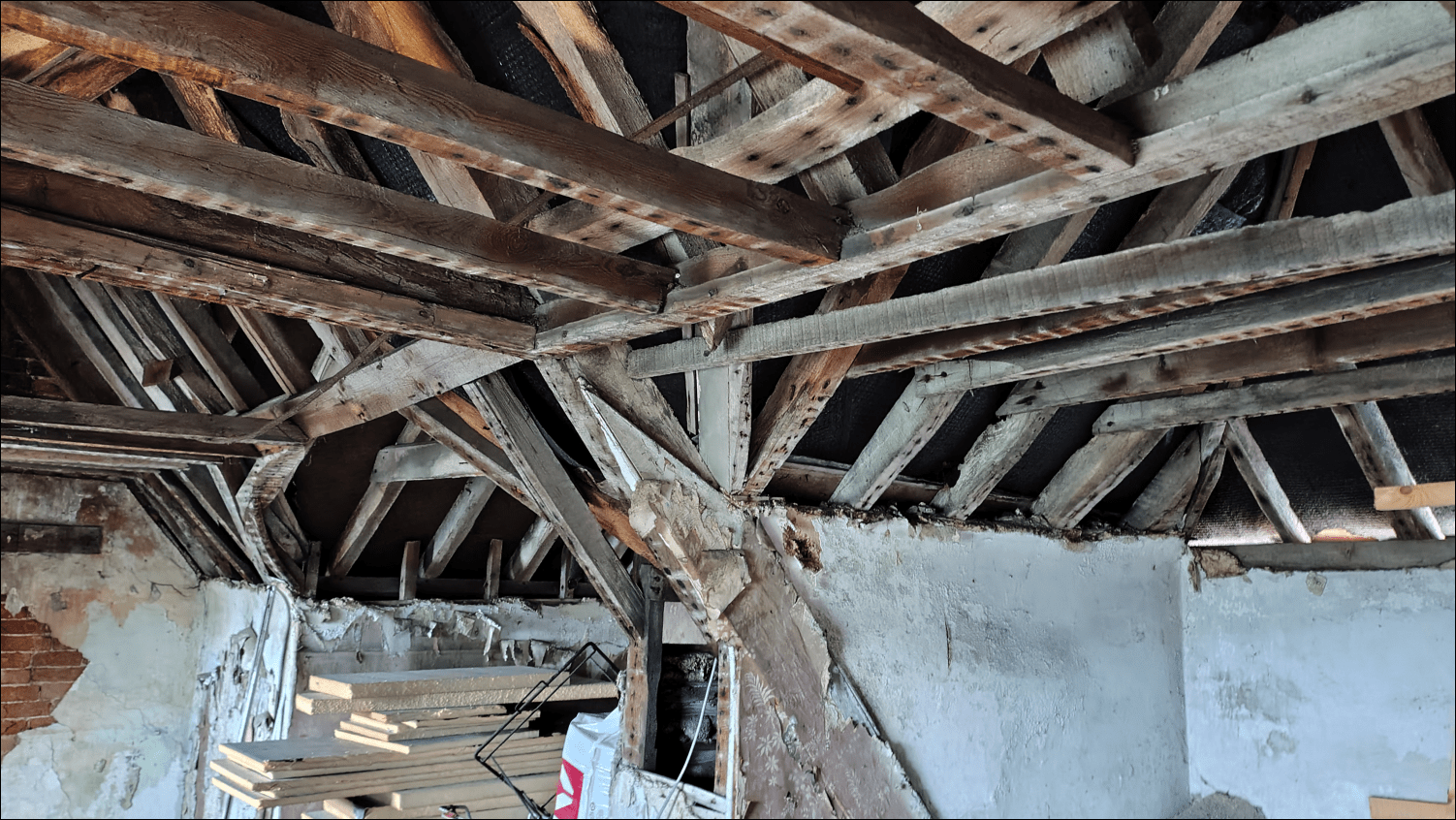
On Friday afternoon we took ourselves down to Langstone to look inside St Nicholas’ chapel which was open for Heritage Open Days. We don’t know very much about the chapel but there is a guide on St Faith’s church website. There were some fascinating information boards inside about life in Langstone around 1900s, including details of another mill that was next door to The Ship.
Unfortunately, we couldn’t do the Wade Court Tour as it was heavily over-subscribed, perhaps next year, but those who went had fantastic weather for their visit.
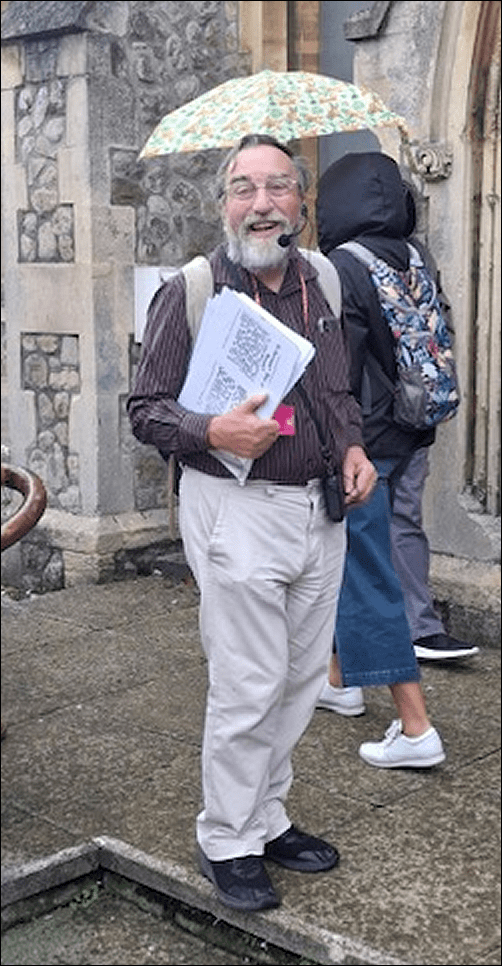
On Saturday morning there was a walk around Havant looking at buildings designed by A.R. Stallard a prominent architect in Havant in the early part of the twentieth century and in the afternoon a talk by a partner of PWP Architects about Stallard focusing on the White Hart Hotel. Amongst many other buildings Stallard was responsible for there’s Fairfield School, the United Reformed Church, Havant Club (next door to The White Hart), the entrance building for Lloyds Bank and what was the Post Office next door which is now The Chestnut House charity shop. Both now much altered.

Stallard also designed the integration of all the buildings which make up The Bear Hotel frontage on East Street. If you were out on Saturday morning you may have seen the group dodging the showers!
During the week there were also tours of Havant Cemeteries; Stallard was responsible for the original chapel there and the gateways.
All this, and I’ve not even mentioned the special events at Staunton Country Park, the Elms, Bedhampton or Emsworth. St Faith’s church has a new leaflet for visitors and is often open. We missed the performance piece and exhibition about the Swing Riots. But it’s likely there will be another opportunity as the two hundredth anniversary is marked in 2030.
That was just some of what we managed to take in this year.
Once again, a very big vote of thanks is due to the irrepressible Neil Spurgeon, Chairman of the Havant Local History Group and the catalyst behind getting Havant’s heritage sites and activities onto the national map. Also to the many individual researchers, contributors, speakers, guides and stewards who volunteered so much of their personal time to help put Havant firmly on the map for the national Heritage Open Days festival.
Plans are already underway for next year’s festival programme, starting 11 September 2026. Add it to your diaries now!
 Havant Civic Society
Very, very impressive👍👏Well Done Havant.Plenty of food for thought for a string of locations along our precious Sussex coastline…… I just wonder how extensive your PR campaign was vis-à- vis communities E of Havant / Emsworth was…..although given the comments made most “happenings” were oversubscribed……hopefully by people of all ages.. Sincere thanks best wishes and indeed Congratulations to all involved in putting your event on. Bruce GarrettChidham Peninsula👍
Sent from Yahoo Mail for iPhone
LikeLike
Many thanks Bruce, there are many local individuals to thank and we’ll pass the message on. Your comments on pre-publicity are well taken; HCS will be taking a more active roll on ‘heritage’ matters in the future so look out for future posts on the subject. Ed.
LikeLike
A very interesting article. We did the Wade Court tour, which was very enjoyable. It was fascinating to see what lay behind the hedges and trees screening the building and gardens from view from the Billy Trail.
LikeLike